Most people walk into a botox injection appointment with two practical questions: how natural will it look, and how long will it last. The first depends on your injector’s eye and technique. The second is a blend of biology, dosing, placement, and how you live day to day. I’ve treated hundreds of faces and followed them over years. Patterns emerge. Faces that hold results for five months share habits and anatomy that differ from faces that fade by week eight. Understanding those levers helps you plan, budget, and set realistic expectations for cosmetic botox injections.
The baseline: what botox is doing under the skin
Botox, a brand name for onabotulinumtoxinA, interrupts communication between nerves and muscles. It blocks the release of acetylcholine at the neuromuscular junction so overactive muscles calm down. This softens dynamic wrinkles, the lines created by repeated expression: frown lines, forehead lines, and crow’s feet around the eyes. Most patients start to see botox injections results within 3 to 5 days, with a peak at 10 to 14 days. The effect gradually wears off as nerve endings sprout new connections. For the great majority of adults, results last about 3 to 4 months.
That three to four month window applies to standard cosmetic botox injections at typical units. Some will stretch closer to 5 or 6 months, others closer to 2. Dose, muscle strength, metabolism, and the precision of the botox injection procedure all shape the curve.
How muscle strength and anatomy shape longevity
Strong muscles chew through botox faster. If you’ve frowned through years of screen glare, your corrugators and procerus are probably well trained. Thicker frontalis muscles can require higher doses to smooth forehead lines. The orbicularis oculi around the eyes is thin but active and influences crow’s feet. Masseter muscles, treated for slimming the jaw or clenching, are heavy and generally need more units. Heavier muscles don’t just need more product. They may also rebound sooner as the neural connections regrow.
Facial structure matters too. High foreheads, for example, sometimes need broader coverage. Low brows demand a careful balance between relaxing frown lines and preserving lift to avoid heaviness. If someone has asymmetry at baseline, the injector may adjust units per side. These micro decisions affect not just the look but how long the look holds. A tailored plan yields more predictable botox injections longevity than a one size dose.
Dose and dilution: the quiet drivers of durability
Longevity is dose responsive within a safe range. More units, correctly placed, typically last longer. That doesn’t mean “as much as possible.” It means the right total and distribution for your anatomy and goals. Baby botox injections, which use smaller units to keep movement soft and subtle, often fade sooner, sometimes around 6 to 10 weeks. Preventative botox injections in younger patients also use lighter dosing because the lines are not etched. Those results tend to sit at the shorter end of the spectrum unless you stick to a steady maintenance rhythm.
Dilution and spread matter as well. Botox arrives as a powder and is reconstituted with saline. Proper reconstitution, storage, and timing after mixing influence potency in the real world. A tight injection pattern with minimal spread can give crisp results that last, while a poorly controlled pattern risks under-treating the target and over-treating neighbors. Patients can’t see these variables, which is why choosing professional botox injections from an experienced injector pays off in both safety and staying power.
Technique: where millimeters make months
Botox injections for facial wrinkles are not just about the needle entering the skin. It’s the depth, angle, and mapping of each injection. In the forehead, the frontalis is superficial. Too deep and you waste product. In the glabella, a deeper placement into corrugators often holds better. Around the eyes, staying just right of the orbital rims prevents unwanted bruising and diffusion. A conservative touch at the tail of the brow can create a modest botox brow lift while preserving the frontalis function that keeps lids open.
Small technical habits matter. Slower injections minimize product reflux. Attention to symmetry prevents early breakdown due to compensatory overuse on one side. Good injectors plan vectors. For instance, a patient who over-recruits the lateral frontalis may need a few extra micro drops there to keep the forehead from puckering at eight weeks. Precision extends longevity by making every unit count.
The role of metabolism, lifestyle, and habits
Some patients metabolize botox faster. That’s not a myth. Higher baseline activity levels, faster liver enzyme systems, or simply more animated facial expressions can move you toward the shorter end of the range. It’s not about health status as much as pace. Athletes who train intensely often report shorter duration. People who grind their teeth or clench may burn through masseter treatments faster than their peers. Frequent sauna, hot yoga, or aggressive facial massage in the first week after treatment can also affect spread and early performance, though the long-term effect on duration is modest.
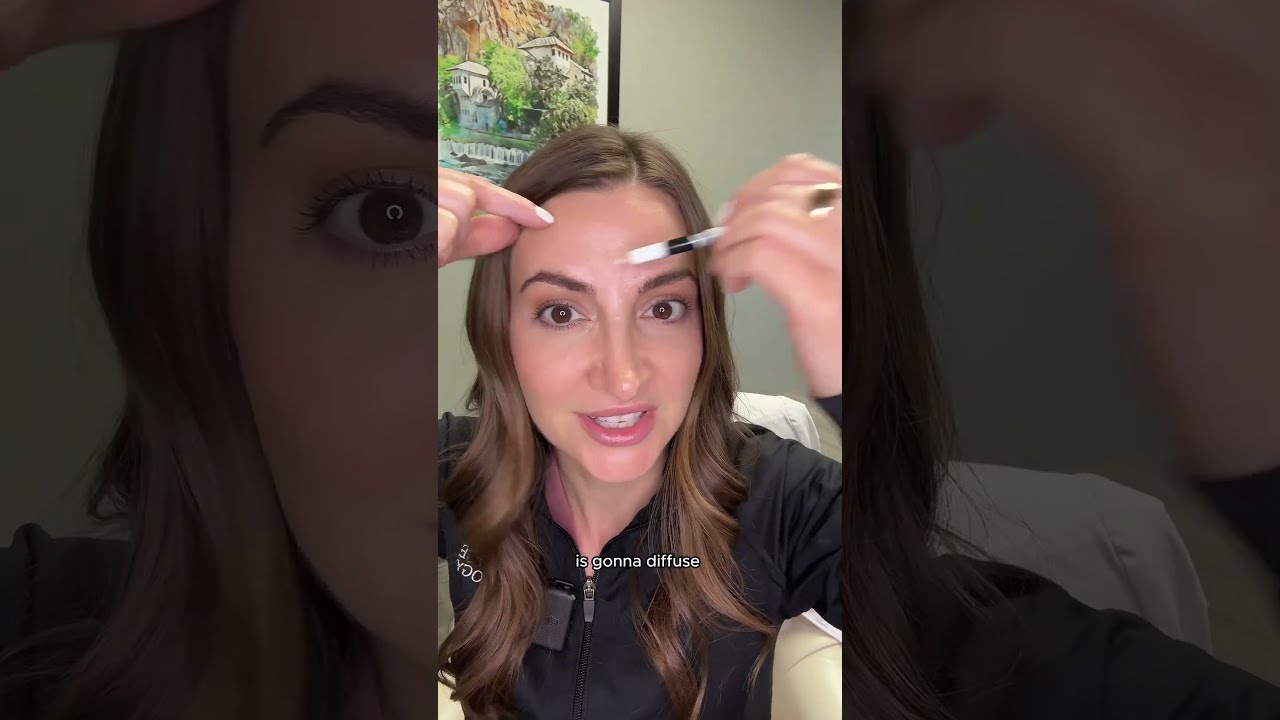
Sleep and stress patterns matter in subtle ways. If you furrow your brow all day during a deadline sprint, you ask a partially relaxed muscle to work harder. Over time that may shorten the perceived duration in that area. Conversely, patients who consciously relax their brows and adopt good screen ergonomics often stretch results by a few extra weeks.
Areas of the face: why some last longer than others
Not all regions age or respond at the same pace. Botox injections for frown lines in the glabella typically last a touch longer than forehead lines. The corrugators are bulky enough that once you quiet them, they stay calm for months. Forehead lines sit in a muscle that has to keep working to hold up the brows, so we dose with care, which can shorten duration to preserve expression. Crow’s feet tend to show early movement again because we smile many times a day. Small touches around the nose for bunny lines or at the chin for dimpling often last quite well, often in the 3 to 5 month range, because these muscles are used less constantly.
Botox injections for a brow lift require nuance. You’re balancing opposing muscles: depressors between the brows and elevators in the forehead. A lift can last 8 to 12 weeks, sometimes longer, but may fade sooner than the core frown lines as the frontalis resumes its upward pull. Masseter treatments can last 4 to 6 months after the second or third session, especially when used for overactive muscles or facial slimming. For some, the first round holds 3 to 4 months, with increased longevity after repeated treatments as the muscle deconditions.
First-time patients versus seasoned regulars
First timers sometimes see shorter duration. Muscles accustomed to overworking can push through the first cycle more quickly. After two or three rounds at consistent intervals, many patients notice results last longer and set in faster, likely due to a combination of mild muscle atrophy and learned behavior change. The flip side is also true. If you skip maintenance for a year, expect your duration to reset closer to your original baseline.
A practical approach for a first time botox injections guide is to schedule your botox injections consultation, plan conservative dosing Click for more info for natural looking botox injections, and book a two-week follow up to fine tune. Keep notes on when movement returns in each area. By the second visit, your injector has a personal map of your longevity and can adjust your botox injections treatment plan and dosage.
Skin quality and the illusion of duration
Patients equate smooth skin with active botox. Sometimes that’s true. Sometimes it’s the skin health improving while the muscle effect softens. When we treat wrinkles driven by both movement and thinning dermis, adding skincare or procedures that boost collagen can make botox results appear to last longer by blurring residual lines. Think of gentle retinoids, daily sunscreen, and occasional micro-needling or light resurfacing between injection appointments. None of this replaces botox, but better skin quality extends the interval where lines remain less visible.
Prevention and “baby” dosing: how subtle choices affect timeframes
Preventative botox injections aim to weaken habitual expressions before they etch lines. They use lower units, so they wear off sooner. The strategy relies on consistent, lighter treatments every 3 months or so, especially in expressive zones like frown lines. Baby botox injections seek a barely-there softening, ideal for on-camera professionals or anyone wary of looking “done.” Expect to schedule a bit more frequently to maintain that whisper of relaxation. For many, this trade-off is worth it to keep facial balance and easy expression.
Realistic expectations for specific regions
Patients often ask for a play-by-play of each area. Here is a concise, experience-based snapshot that aligns with what I see in practice, assuming customized botox injections by an experienced injector and typical units for cosmetic use. Individual mileage varies.
- Glabella, the 11s between the brows, commonly lasts 3.5 to 5 months after two or more consistent rounds. Strong frowners may start closer to 3 months and stretch to 4 plus with repetition. Forehead lines often sit around 3 to 4 months due to lower doses to preserve brow elevation. High foreheads or heavy brows can shorten this unless balanced carefully. Crow’s feet typically last 3 to 4 months. Frequent smiling brings motion back sooner at the outer corners compared to the upper tail of the orbicularis. Bunny lines on the nose, chin dimpling, and lip flip treatments are usually in the 2 to 3.5 month range. The lip flip tends to fade earlier because speech and eating keep the orbicularis oris active. Masseter reduction often lasts 4 to 6 months once the muscle deconditions, with the first session sometimes closer to 3 to 4 months.
The maintenance rhythm: timing and frequency
Most patients thrive on a rhythm rather than a rigid schedule. If your goal is consistent smoothing, plan botox injections maintenance every 3 to 4 months. That interval keeps muscles from fully bouncing back, which often extends the duration over time. If you prefer to allow full movement between sessions, you might book every 4 to 6 months, accepting a period where lines return. The right frequency depends on your work, your tolerance for movement, and your budget.
For patients considering a staged approach, a good pattern is to treat core areas first, like frown lines and crow’s feet, and check forehead dosing at the two-week mark. Minor tweaks early in your journey teach us how your face responds, which improves longevity on future visits. Keep photos. Botox injections before and after images taken in neutral expression and with expression tell an honest story of what held and what rebounded.
Cost, units, and getting value from your appointment
Botox injections cost is usually priced either per unit or per area. Pricing varies by region, clinic overhead, and injector experience. Paying per unit gives transparency, and for longevity, it often makes sense. Under-dosing to hit a lower area price can mean shorter duration and more frequent visits. A typical frown line treatment might use 15 to 25 units. Forehead lines might use 6 to 14 units depending on the brow position and forehead height. Crow’s feet often take 6 to 12 units per side. Masseter treatments, by contrast, can range from 20 to 40 units per side for cosmetic goals. These numbers are starting points, not rules.
During a botox injections consultation, ask how your injector decides units and placements, and how they handle touch-ups. A two-week follow up is valuable, especially for first-time patients. If you’re comparing botox injections near me, consider the injector’s training, photography, and willingness to map out a treatment plan over a year, not just a single visit.
Safety, side effects, and why they matter for longevity
Botox injections safety is excellent in skilled hands. The most common side effects are minor and brief: pinpoint bruising, a small bump that settles within an hour, tenderness to touch. Headaches occur in a small percentage and typically resolve quickly. Less common issues include eyelid or brow heaviness, which generally reflect dosing or placement choices, not an allergic reaction. These effects fade as the botox wears off.
Longevity and safety intersect at technique. For example, a heavy-handed forehead treatment might quiet lines for months but at the cost of brow heaviness that patients dislike. The goal is natural looking botox injections that respect anatomy. That can mean accepting a month less duration to maintain facial balance. In other words, the right result is not always the longest one.
Recovery and downtime: protecting the early result
Botox injections recovery is light. You can return to most activities the same day. A few habits help protect the product in the first 4 to 6 hours. Stay upright, avoid pressing or massaging the treated areas, and skip intense workouts that flood the face with warmth and blood flow. Hold off on facials, microcurrent, or deep tissue face massage for a few days. These measures don’t create longevity out of thin air, but they help prevent early diffusion that can blunt precision.
When results don’t last: troubleshooting
If your botox injections fade faster than expected, start by reviewing photos and timing with your injector. Was the dose conservative. Did certain muscles bounce back first. Are you a heavy exerciser or do you have a habit of frowning during screens. We can often solve the puzzle by adding a few units to a specific sub-region, changing depth, or shifting placement.
Every injector occasionally meets a patient who seems resistant. True resistance to botulinum toxin type A is rare in aesthetic practice. More often, the issue is under-dosing, dilution differences, or expectations set by results elsewhere that used higher units. If resistance is suspected, some clinics may consider switching brands or, seldom, trying a different botulinum toxin formulation. For cosmetic use, this is unusual. Usually, careful mapping, adequate units, and consistency fix the problem.
Botox versus fillers: longevity apples and oranges
Patients sometimes compare botox injections vs fillers on longevity. Fillers last longer because they are gels that physically occupy space and stimulate collagen in some cases. They address static lines and volume loss. Botox relaxes muscle, so it targets dynamic wrinkles. You often combine them for best outcomes. For example, someone with deep etched frown lines may need botox to stop the scowl and a small amount of filler to lift the crease. The botox might last 3 to 5 months, the filler 6 to 12 plus, depending on product and placement. Comparing them by months alone misses the point. They do different jobs.
Subtlety without compromise: achieving natural results that endure
A common fear is looking “done.” Natural results are built on three pillars: precise anatomy, targeted dosing, and honest conversation about priorities. If you want more movement at the outer brow to keep your expressions lively on camera, accept that your Botox Injections near me crow’s feet may peek back earlier. If you want ultra smooth forehead lines, you may tolerate a slightly heavier brow. The best subtle botox injections use a few strategic workarounds: micro droplets near problem creases, a touch at the tail of the brow to lift without freezing, and staging the forehead after the glabella settles so we preserve elevation.
Over time, many patients learn their personal endurance points. For example, a journalist who speaks on TV every day may prefer a lighter, more frequent plan to keep animation. A corporate litigator who furrows during trial prep might increase glabella units to push toward five months of quiet frown lines. Neither approach is right or wrong. The right plan respects your life.
Planning your year: a practical framework
Rather than chasing touch-ups ad hoc, map the year. Book three or four botox injections appointments spaced 12 to 16 weeks apart. Align one session with major events, such as weddings or conferences, with the understanding that peak looks arrive at two weeks and hold for two to three months. If you are exploring preventative aging strategies, start with frown lines and crow’s feet, then reassess forehead lines once brow position is stable. If you are considering fillers, sequence them after your botox has settled so the resting muscle tone is established before placing gel.
Budget with units in mind rather than areas. Ask for a written botox injections treatment plan that lists target zones, typical units, and expected longevity for each. Use your two-week follow up to fine tune. Keep a note on your phone of when movement returns. This small discipline tightens your dosing and extends your intervals over time.
Common questions I hear in the chair
Patients ask variations of the same practical questions. These are the ones that matter when you want results that last.
- Can I make botox last longer naturally. You can’t hack the biology, but you can stretch the usable window by avoiding overactive facial habits, staying hydrated, using daily sunscreen, and maintaining consistent treatment intervals. Good skincare reduces the appearance of lines as botox wanes. Does more hurt. Higher units can increase longevity, but only when placed correctly for your muscles. Chasing months at the expense of balance is a poor trade. The right dose is the smallest that accomplishes your goal and respects surrounding function. Will I become dependent. No. Muscles return to baseline if you stop. Some patients like how smooth skin looks and choose to maintain it, but that is preference, not dependence. What about side effects long term. Decades of medical and aesthetic use support the safety profile. Rare risks are tied to poor technique or unusual responses. Choose an experienced injector, disclose your medical history, and follow aftercare. Can I combine with other treatments. Yes, and it often helps. Light resurfacing, peels, and a smart skincare routine improve texture and tone so lines look softer even as botox subsides.
The bottom line on longevity
Botox injections how long they last is not a guessing game once you understand the variables. Anatomy, units, technique, and lifestyle each pull a thread. With customized botox injections from a skilled injector, most patients enjoy 3 to 4 months of meaningful softening in the upper face, with some areas stretching longer after a few cycles. Baby dosing delivers subtlety at the cost of shorter intervals. Strong muscles need higher units and sometimes a couple of rounds to decondition. Good planning and honest trade-offs keep your face expressive and your results consistent.
If you are scheduling your first botox injections appointment, bring clear goals, recent photos of your expressions, and an open mind about dosing. Ask about botox injections benefits, safety, side effects, and realistic pricing. Expect a focused map of units and a two-week follow up to calibrate. That attention to detail, more than any single trick, is what turns a three month result into one that looks polished for four or five, treatment after treatment.